


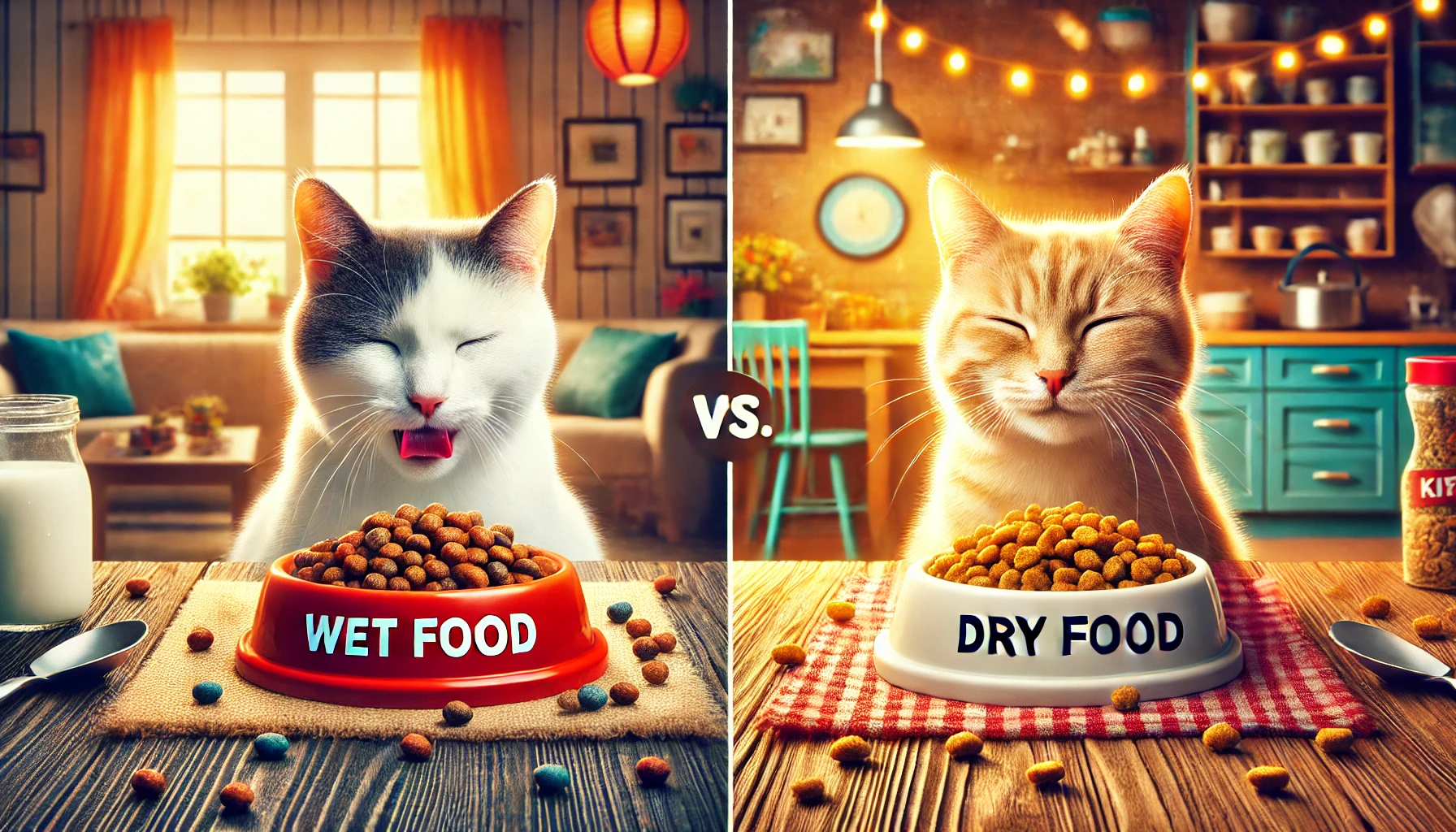
As a cat owner, you might often wonder what’s best for your feline friend’s health—wet or dry food. Both options have benefits and drawbacks, but the choice depends on your cat’s age, health condition, and personal preferences.
What’s the Deal With Wet Cat Food?
Wet cat food usually comes in cans or pouches and is packed with moisture, typically containing around 70–80% water. The humidity helps keep your cat hydrated, which is great if your cat doesn’t drink much water throughout the day.
Why Cats Like Wet Food
One significant advantage of wet food like Whiskas cat food is hydration. Cats naturally drink less water since, in the wild, they get moisture from their prey. By giving wet food, you’re helping them meet their hydration needs, reducing the chances of dehydration or urinary tract infections. This is especially important for older cats or those prone to urinary issues.
Wet cat food also usually contains higher protein and fewer carbs. Since cats are natural meat-eaters, this aligns better with their natural diet, making it a healthier choice overall. Cats often prefer wet food’s aroma and taste, so it’s ideal if your pet is picky, older, or has dental issues that make chewing kibble challenging.
What You Might Not Love About Wet Food
Wet cat food does have its downsides, mainly related to cost and convenience. It’s usually more expensive than dry food, which can add up quickly if you have multiple cats or are on a tight budget.
Another downside is storage. Wet food doesn’t stay fresh long after opening. You need to refrigerate leftovers and use them up within one or two days, making it less convenient if you prefer an easy feeding routine.
Lastly, wet food isn’t ideal for dental health, as it can sometimes contribute to plaque buildup. You’ll need to add other dental care measures, like brushing or dental treats, to keep your cat’s teeth healthy.
How About Dry Cat Food—Is It Good Enough?
Dry cat food, or kibble, is popular because it’s convenient, affordable, and easy to store. Due to the production process, dry food typically has about 10% moisture and is rich in carbohydrates.
The Benefits of Dry Cat Food
The convenience factor is huge—dry food lasts longer, doesn’t need refrigeration, and makes feeding your cat easy. You can leave it out for your cat to eat freely throughout the day, which fits nicely into a busy schedule.
Dry food is also budget-friendly compared to wet food, so it’s often the go-to option for multi-cat households. Another bonus some cat owners like is that crunchy kibble may help reduce tartar on your cat’s teeth by scraping off plaque as they chew. While it won’t replace a whole dental routine, it can help maintain your cat’s oral hygiene.
Potential Downsides of Dry Cat Food
The biggest concern with dry food is its low moisture content, which means your cat needs to drink plenty of extra water. Since cats don’t usually drink much, relying only on dry food might lead to dehydration, increasing the risk of urinary and kidney problems.
Also, dry food tends to have more carbohydrates, and if your cat isn’t very active, this can lead to weight gain and even diabetes over time. Cats naturally don’t need many carbs, so managing portions becomes critical.
Lastly, some cats find dry food less tasty and challenging at mealtime, especially for older or picky eaters.
Comparing Wet and Dry Food: What’s the Real Difference?
Here’s a straightforward comparison of wet and dry cat foods so you can quickly see how they stack up:
| Feature | Wet Cat Food | Dry Cat Food |
|---|---|---|
| Moisture Content | High (70-80%) | Low (~10%) |
| Protein Levels | Usually Higher | Moderate to High |
| Carbohydrate Levels | Usually Lower | Usually Higher |
| Cost | More Expensive | Budget-Friendly |
| Convenience | Needs refrigeration short shelf-life | Easy storage, lasts long |
| Dental Benefits | Minimal | Some plaque removal |
| Taste/Palatability | Usually preferred by cats | Can be less appealing |
| Weight Management | Easier portion control | Requires careful portioning |
Using this table, you can quickly understand what each type of food offers and efficiently decide what’s best for your cat.
How to Choose the Best Food for Your Cat
Choosing between wet or dry food doesn’t have to be all or nothing. Many vets recommend mixing both into your cat’s diet to provide the benefits of each. If you decide to mix, here’s exactly how to do it right:
- Add Wet Food for Hydration:
Give wet food once or twice daily to ensure proper hydration, especially if your cat is older or prone to urinary problems. - Use Dry Food for Convenience:
Use dry food for free feeding or between meals, but carefully measure portions to avoid weight gain. This combination lets your cat enjoy different textures and flavours, keeping meals interesting. - Adjust for Your Cat’s Needs:
If your cat is overweight or diabetic, consider feeding it more wet food and less dry food. If your cat has dental issues, combining both with regular dental care can help maintain its oral health. - Always Provide Fresh Water:
No matter your choice, always keep fresh water available in multiple locations to encourage drinking throughout the day.
Quick Tips for Transitioning to New Food
If you switch from one type of food to another or introduce a mix, do it slowly to avoid upsetting your cat’s stomach. Mix a small amount of the new food into your cat’s usual meal and gradually increase it over about a week. This method gives your cat time to adjust comfortably.
Making the Final Decision Easy
Ultimately, the best food for your cat depends on your pet’s age, health, personal taste, and lifestyle. If convenience and budget are priorities, dry food might be better. If your primary concern is hydration, health issues, or picky eaters, wet food could be the way to go. Combining wet and dry foods often gives your cat a well-rounded diet, covering nutritional needs while fitting your routine.