


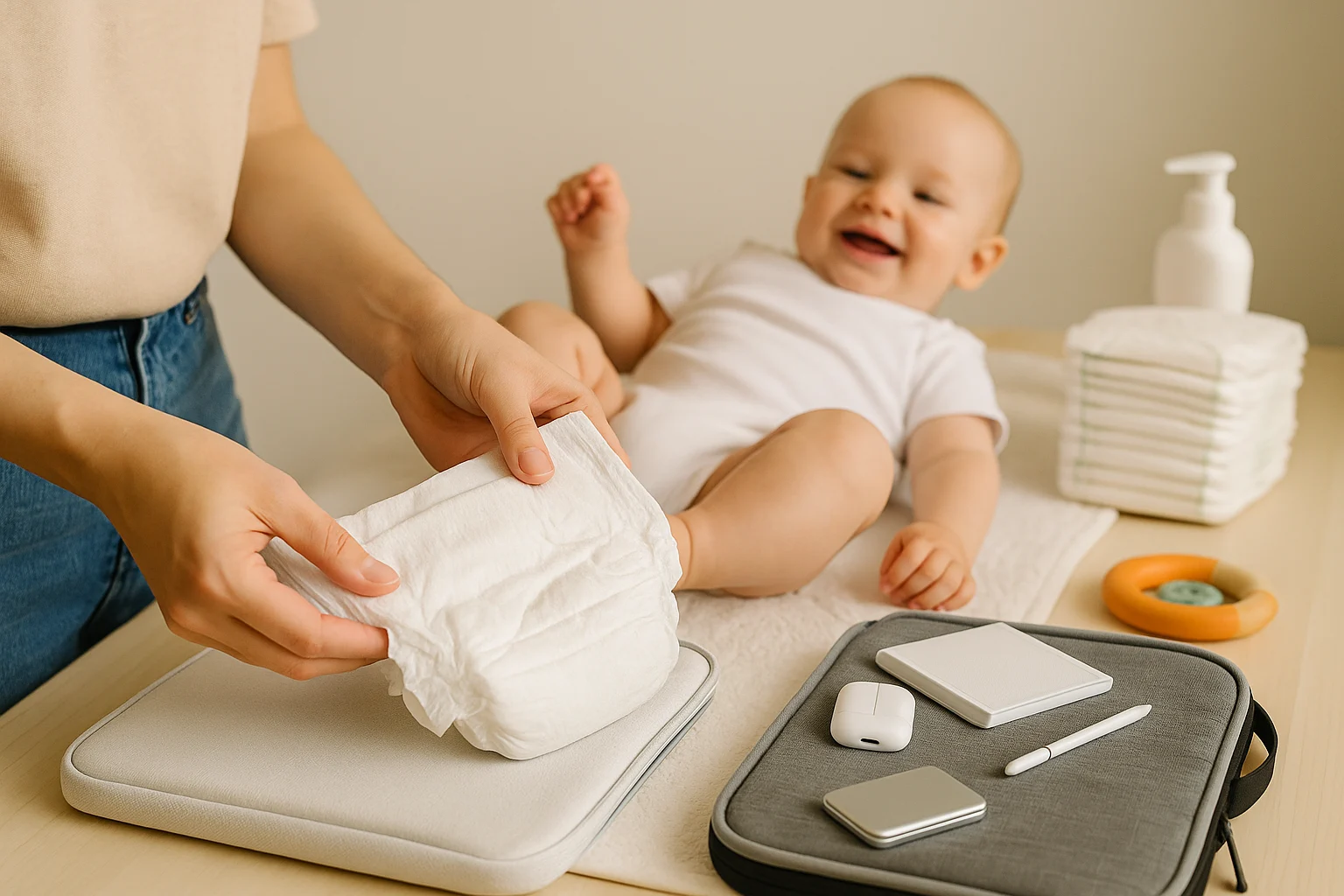
Choosing a diaper sounds simple until you’re standing in front of a hundred packs, not sure what any of it means. Baby diapers aren’t just about holding pee. They affect your baby’s skin, your wallet, and your peace of mind. If you’re a first-time parent, here’s how to get it right without losing sleep or wasting money.
Types of diapers: cloth, disposable, or something in between?
Disposable diapers are the most convenient choice for first-time parents because they’re absorbent, easy to change, and widely available. Cloth diapers are reusable and cheaper over time but are messier and need more effort.
Most parents choose disposable diapers, especially in the early months. They’re already shaped, absorb quickly, and are easily thrown away. If you’re juggling feeding, cleaning, and broken sleep, you’ll want the easiest option.
Cloth diapers aren’t bad, but they require more work. You’ll wash and dry them, and sometimes deal with leaks. They’re kinder to the environment and cheaper in the long run, but only if you stick with them.
Some diapers fall in the middle—cloth is on the outside, and disposable inserts are inside. These work for eco-conscious parents who still want some ease.
There are also speciality diapers like:
- Overnight diapers that soak up more pee so your baby sleeps dry.
- Swim diapers are for pool time and hold in solids but let water through.
- Training pants for toddlers learning to use the potty.
What makes a diaper high quality?
A good diaper keeps leaks away, feels soft, fits snug, breathes well, and doesn’t irritate your baby’s skin. Look for quick absorbency, stretchy sides, and no weird smells or harsh chemicals.
Don’t judge a diaper by the brand or packaging. Focus on what matters.
Absorbency is non-negotiable
You need a diaper that pulls wetness away fast and locks it in. That means fewer leaks and no soggy bottoms. Check for polymers or “super-absorbent” labels, but the real test is in use.
Softness means less crying
A scratchy diaper rubs your baby’s thighs and belly raw. You want a soft inner lining that feels like cotton, even synthetic.
Breathability fights rashes
If the diaper traps too much heat and moisture, bacteria grow fast. Breathable layers help air flow and keep your baby’s bottom cool and dry.
A snug fit matters more than you think
The waistband should stretch without leaving red marks, and the leg holes should seal without gaps. A loose diaper leaks, while a tight one digs into skin. Find the middle.
Wetness indicators save guesswork
Some diapers come with a colour-changing strip. When your baby pees, the strip changes colour. This is handy, especially in the early weeks when you’re changing a dozen times a day.
Hypoallergenic and fragrance-free is the safe bet
Fragrances, dyes, and lotions can irritate sensitive baby skin. Choose plain, simple diapers, especially if your baby is prone to rashes or allergies.
Fit isn’t just about size—it’s about comfort
A well-fitting diaper won’t leak, sag, or pinch. Choose by weight, not age, and switch sizes when the diaper starts leaving marks or leaking often.
Diaper sizes follow your baby’s weight, not age. A newborn might fit size 1, or might need size 2 if they’re on the heavier side.
If you see red marks on the waist or thighs, the diaper’s too tight. If you’re getting blowouts up the back, it’s too loose. Try a size up or down.
Most parents switch sizes every few months, sometimes faster during growth spurts. Don’t hoard diapers in one size—babies grow fast, and unused packs are money wasted.
What if you’re on a budget?
Pick store-brand or value packs that still check the boxes for absorbency, comfort, and skin safety. You don’t need the most expensive diaper for it to be good.
Some of the best-performing diapers are not big-name brands. Supermarket brands or generic labels often perform well in tests.
Try trial packs before committing to a bulk box. If you like them, buy bigger packs to save more. Also, sign up for reward programs or use coupons when you can.
Don’t fall for premium tags unless you’ve tried the product and know it works better for your baby.
Eco-diapers sound great but cost more. If you can afford them, good. If not, focus on a diaper that works. You can always switch later.
Quick tips for clueless parents who want to get it right
Try different diaper brands like Farlin, Pampers or Baby Cheramy until one fits well, holds leaks, and keeps your baby comfortable. Watch for any rash or redness, and don’t hesitate to ask your paediatrician if you’re unsure.
Here’s what else helps:
- Buy a small pack first, even if it’s a top brand.
- Change diapers often—every 2 to 3 hours is safe.
- Wipe gently, always front to back.
- Use a barrier cream if your baby’s skin gets red.
- Track your baby’s reactions to different diapers.
Sometimes it’s not the diaper but the fit or how long you leave it on. Don’t blame the brand before checking these other things.
Wrap-up: no diaper is perfect, but some are clearly better
The right diaper is the one that keeps your baby dry, fits well, doesn’t irritate, and doesn’t make your life harder. You’ll know it when you find it.
So, start simple. Try a few. Stick with what works. Don’t worry too much about trends or reviews. Your baby’s comfort is the only test that matters.