


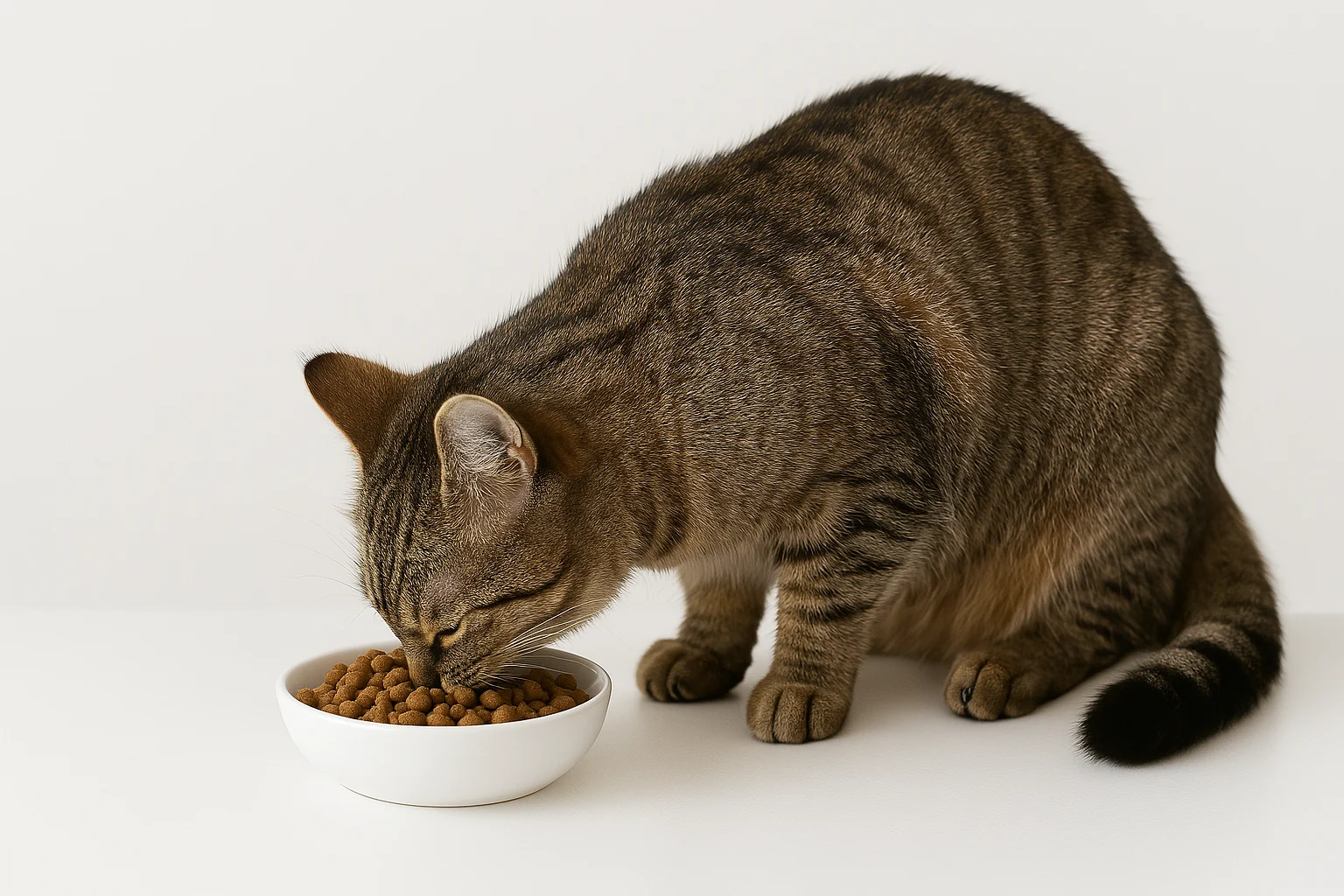
If you’re like most cat owners, you’ve probably wondered if dry food alone is enough for your furry friend. It’s easy, affordable, and convenient—but does it cover everything your cat truly needs? Here’s precisely what you should know to make the best choices for your cat’s diet without second-guessing.
What’s Actually in Your Cat’s Dry Food?
Dry cat food or kibble usually contains proteins, fats, carbohydrates, vitamins, and minerals. These nutrients are essential for giving your cat energy, strong muscles, and overall health.
Most dry cat foods, including dry Whiskas cat food contain animal-based proteins like chicken, beef, or fish, which help your cat maintain muscle and strength. Fats in dry food are good for energy and keep your cat’s coat soft and shiny. Carbs, often from grains, provide additional energy, though cats don’t need many.
Dry food is popular because it’s convenient, easy to store, affordable, and stays fresh for a long time. Another bonus people like is that the crunchy texture can help clean your cat’s teeth a little—but don’t rely on this alone for dental care.
But feeding dry food alone can sometimes lead to problems you may not expect.
Could Feeding Only Dry Food Harm Your Cat?
While dry food has many benefits, relying on it ultimately can lead to specific issues.
Your Cat Might Get Dehydrated
Cats don’t naturally drink much water since their wild diet usually provides enough moisture. Dry food only has about 10% moisture compared to 70-80% in wet food. If your cat doesn’t drink extra water regularly, dehydration can quickly cause urinary tract infections or even kidney issues.
Too Many Carbs Can Mean Weight Gain
Dry cat food often has higher amounts of carbohydrates, leading your cat to gain extra weight. Overweight cats have a greater chance of developing health problems like diabetes, joint pain, and heart disease.
Dry Food Alone Won’t Save Your Cat’s Teeth
While crunchy kibble can help reduce tartar, dry food alone won’t prevent dental problems. Regular dental check-ups and cleanings are necessary to keep your cat’s teeth healthy.
What Do Vets Say About Dry Food Diets?
Veterinarians recommend a balanced approach rather than feeding only dry food. Adding some wet food to your cat’s diet can significantly reduce the risks of dehydration and urinary problems.
Vets also advise choosing dry foods with quality meat ingredients listed first and fewer artificial additives or grain fillers. If your cat already has health issues, your vet can guide you on the best diet to manage their condition.
Regular check-ups let your vet spot potential problems early so your cat stays healthier longer.
Easy Tips to Keep Your Cat Healthy on a Dry Food Diet
Even if dry food is your primary choice, a few small changes can make a huge difference in your cat’s health:
Get Your Cat to Drink More Water
Place fresh water bowls in several places around your house, and consider a cat water fountain to encourage more drinking. Cats love running water, so this straightforward step goes a long way.
Don’t Just Fill the Bowl—Measure Meals
Use a measuring cup to keep portions consistent. Your vet can tell you exactly how much your cat should eat based on age, weight, and lifestyle. This simple habit prevents overeating and helps maintain a healthy weight.
Slowly Add Wet Food to the Mix
If your cat has always eaten dry food, gradually mix in small amounts of wet food. Start slowly to avoid upsetting your cat’s stomach; soon, they’ll get used to the new taste and texture.
Pay Attention to Changes in Behavior
Always oversee your cat’s habits. If your cat visits the litter box often, struggles to pee, drinks water excessively, or gains weight rapidly, it’s time for a vet visit. Spotting these signs early makes treating any issues easier and quicker.
How to Make Sure Your Cat Stays Happy and Healthy
You don’t have to quit dry food altogether, but mixing in wet food occasionally is better for your cat’s health. Here’s precisely what you should do next:
- Offer fresh water daily in multiple spots.
- Regularly include wet food or treats to boost hydration.
- Stick to measured portions to control weight.
- Regular vet visits to keep your cat healthy and catch problems early.
By following these simple, practical steps, you’ll keep your cat healthier, happier, and thriving—no matter which type of food you rely on the most.