


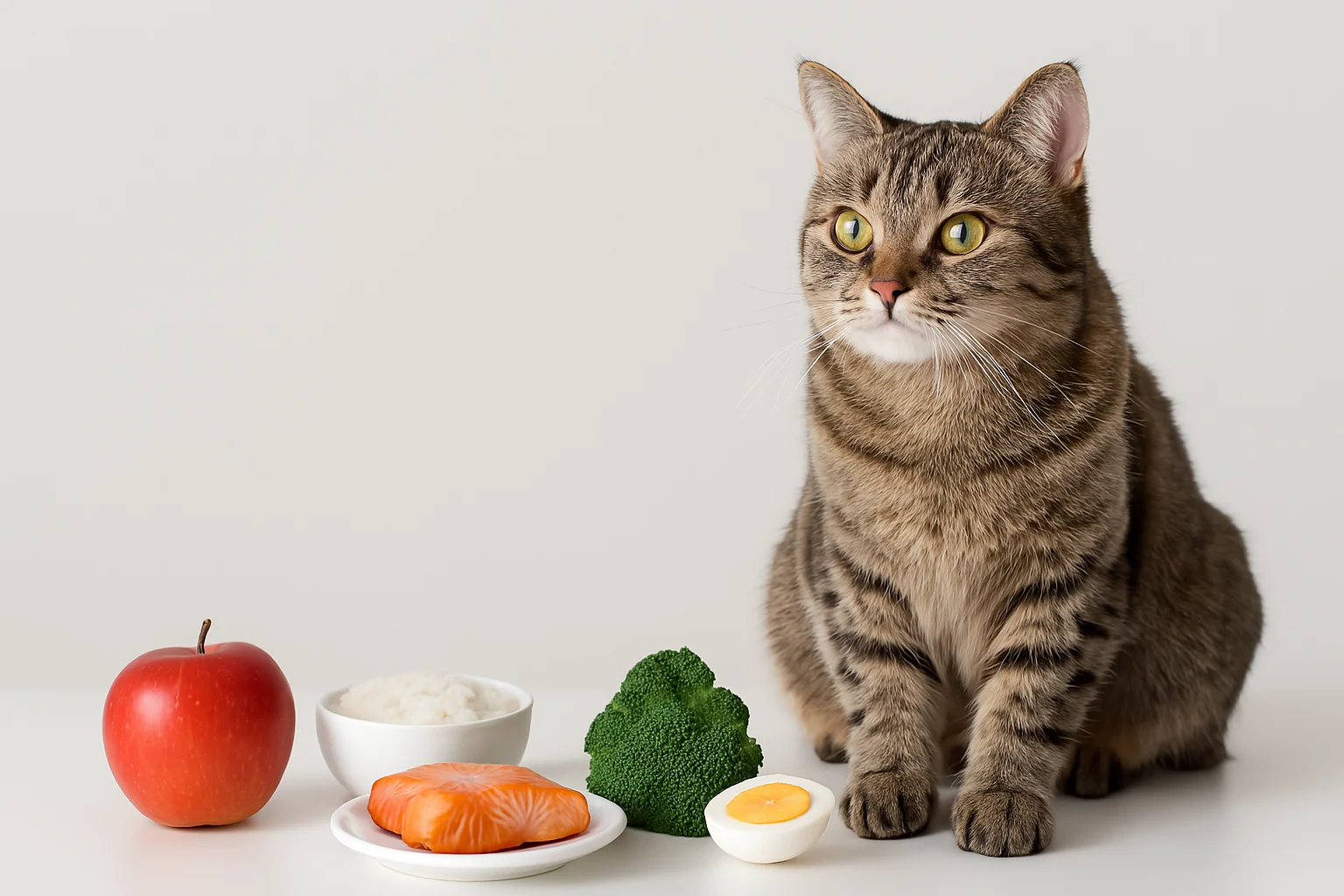
Got a cat who stares at your dinner plate like it’s theirs? You’re not alone. If you’ve ever asked yourself what foods you can safely share, here’s the plain truth — some human foods are fine, some are a hard no. I’m breaking it down with zero fluff and real answers so your cat stays happy, healthy, and full of the right treats.
What human foods are safe for cats?
Cooked meats, cooked fish, eggs, plain rice, fruits like bananas and apples, and soft veggies like carrots are all safe for cats in small portions. Avoid anything raw, spicy, salty, or seasoned.
Now, don’t treat your kitchen like a buffet for your cat. Just because something’s “safe” doesn’t mean it should be a daily snack. These are better as treats or mix-ins, not meal replacements. Stick to small pieces and offer them plain. No salt, spice, or butter — your cat’s stomach isn’t built for it.
Meat and fish: What can I give?
You can give your cat plain, cooked meats like chicken, turkey, and beef. Cooked fish like salmon or tuna is okay, too, but in small amounts.
Meat should be clean—no gravy, garlic, onion, or sauce—just boiled or baked and cooled down. Go easy on the fat. Skip anything fried. It’s the same with fish. Cooked salmon is rich in healthy fats, but canned tuna can cause issues if it becomes a habit. It’s low in some vitamins cats need, and too much of it can mess up their system.
So, if you’re cutting up chicken for your dinner and your cat’s meowing like a drama queen, a little bite (no skin, no bone) is delicate. But don’t make it a meal replacement.
Can cats eat eggs?
Yes, cats can eat fully cooked eggs. Scrambled or boiled eggs are safe if they’re plain and cooked well.
Raw eggs are out. They carry a risk of salmonella, and raw egg whites can block the absorption of a key vitamin (biotin). A bite of egg once or twice a week is more than enough. Don’t mix in milk or butter, either. Just crack, cook, and cool.
Which fruits can cats eat?
Cats can eat apples (seedless), bananas, melons, and blueberries — all in small amounts.
Not all fruits are cat-friendly, and most cats aren’t big fans. If yours likes them, fine — keep it simple and tiny. Cut the fruit into bite-sized chunks. Remove all seeds, pits, and skin. Avoid anything citrusy. Oranges, lemons, and grapes are not cat food and can cause serious problems.
Fruits are sugary; your cat’s system isn’t built for sugar. It won’t kill them, but it won’t help them either. Think of fruit like dessert — small, sweet, and rare.
Are vegetables safe for cats?
Cats can eat plain, soft vegetables like peas, carrots, and spinach if they’re cooked and unseasoned.
Raw veggies are too hard to digest; most cats won’t chew them properly. But cooked peas or mashed carrots? Totally fine. Some cats even like a bit of pumpkin, which helps with digestion.
Avoid onions, garlic, leeks, and chives. These are toxic, even in small amounts. Also, skip spicy stuff and canned veggies soaked in brine or preservatives. Your best bet is to steam or boil and cool.
What about rice and grains?
Cooked white rice, oatmeal, and plain pasta are okay in small portions.
These are fillers, not nutrition bombs. They won’t harm your cat, but they don’t do much good, either. Still, a spoonful of plain rice can help if your cat has an upset stomach. Ensure it’s soft, unseasoned, and not mixed with anything fatty.
Avoid whole grains with added sugars, flavours, or salt. No quinoa salad or multigrain toast. Keep it boring and basic.
Which human foods are dangerous for cats?
Chocolate, grapes, raisins, onions, garlic, caffeine, alcohol, raw dough, and anything with artificial sweeteners like xylitol harm cats.
Even small bits can cause big problems. Chocolate messes with their heart and nerves. Grapes can cause kidney failure—garlic and onions damage red blood cells. Xylitol (in sugar-free gum and some peanut butter) can lead to liver failure.
Also, skip:
- Dairy: Most cats are lactose intolerant, so milk and cheese can cause diarrhoea.
- Fatty meat scraps: Too much fat leads to pancreatitis.
- Raw meat and eggs: Risk of bacteria and nutrient problems.
- Leftovers with seasoning: What tastes good to you is probably risky for them.
Stick to food made for cats, and you’ll avoid surprise vet visits.
How should I give human food to my cat?
Give tiny portions of plain, cooked foods as an occasional treat, and always watch for side effects like vomiting or loose stools.
Start small, like fingernail-sized. Watch how your cat reacts over a day. No change? You’re probably okay. But if your cat throws up or has diarrhoea, stop right there. Call the vet if it continues.
Never serve food straight from the pan or fridge. Let it cool. And don’t force it. If your cat sniffs and walks off, don’t offer it again. Cats are picky for a reason — their gut knows better.
How much human food is too much?
Human food should make up no more than 10% of your cat’s diet.
The rest must come from complete cat food with all the necessary vitamins, minerals, and protein, like from Whiskas. Think of human food as a treat, not a meal. Just because your cat loves chicken doesn’t mean they can live on it. Balance is everything.
Too many treats lead to weight gain, stomach trouble, and nutrient deficiencies. If you feed people food every day, you’re likely missing the stuff your cat needs to stay healthy.
How can I tell if food upset my cat?
If your cat shows signs like vomiting, diarrhoea, loss of appetite, or low energy after eating something new, stop feeding it immediately.
Other warning signs include scratching, swollen face or paws, or wheezing — these point to a food allergy. If anything looks off, don’t guess. Call your vet.
Keep a list of what you’ve given. That way, if something goes wrong, you can track the cause. One small change at a time helps avoid drama later.
Final thoughts on feeding cats human food
Feeding your cat a little human food is fine when you know what’s safe. Just cook it plain, skip the spices, and offer small bites here and there. If your cat acts weird after trying something new, hold off and call your vet if needed. Stick to the basics — lean meats, soft veggies, maybe a fruit cube — and you’ll be golden.