


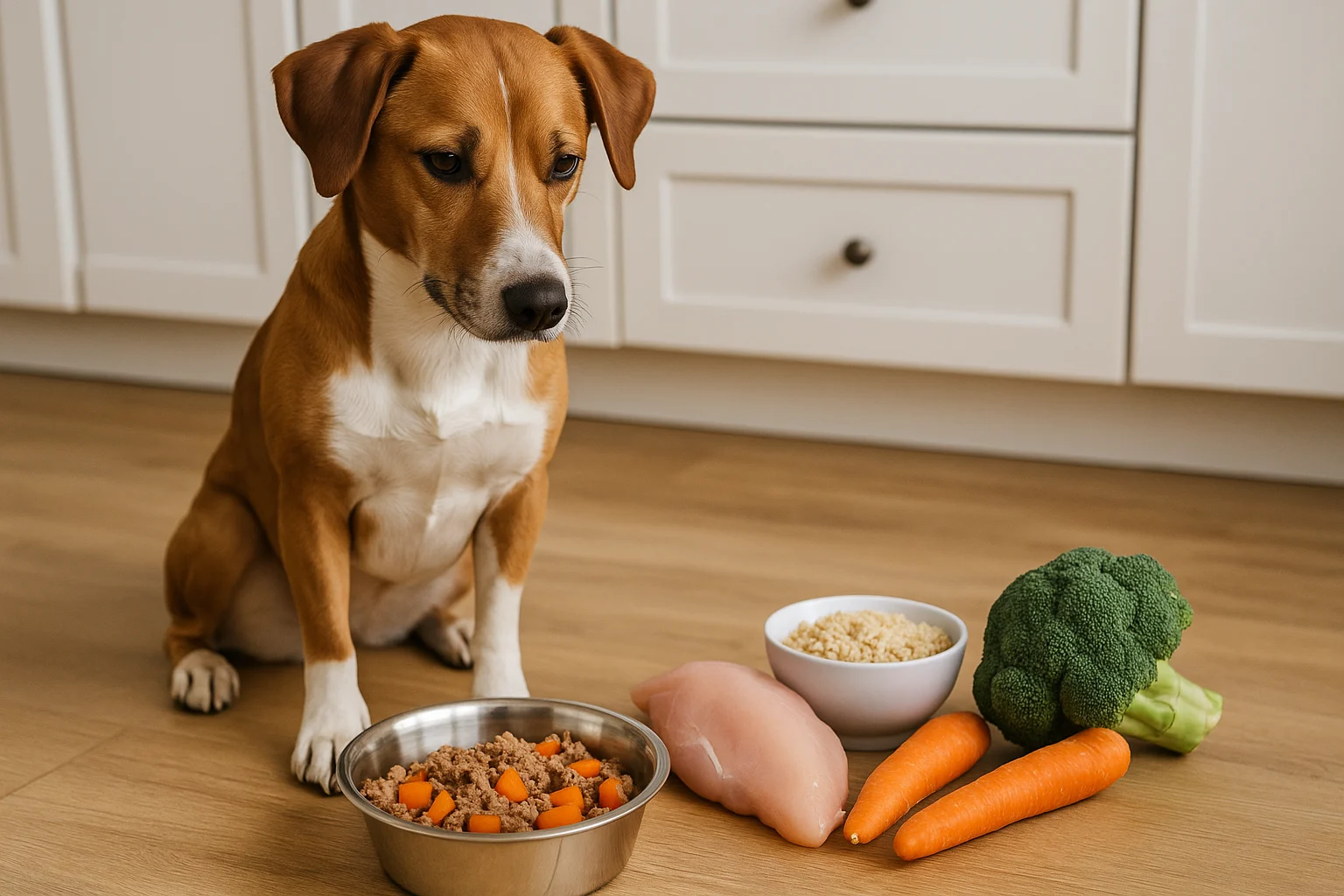
Feeding your dog isn’t just about filling a bowl. It’s about choosing foods that help them live longer, stay active, and feel good daily. If you’ve been unsure what counts as “healthy,” you’re not alone—but this guide cuts through the fluff and gives you straight answers.
Why feeding the right food matters
Food fuels everything your dog does. From chasing a ball to curling up next to you, all of it runs on what you put in their bowl. If that food’s full of junk or missing key nutrients, it starts to show—dull coat, weird moods, upset tummy, and more vet visits. Healthy food saves you stress and keeps your dog thriving.
What makes food healthy for dogs
Dogs need protein, fats, carbs, vitamins, and water. Not from a science lab, but from whole food. That means real meat, cooked veggies, and easy-to-digest grains. The shorter the ingredient list, the better. If your dog can’t pronounce it, they probably don’t need it.
Skip the fillers. Cornmeal, artificial colours, sugar, and meat “by-products” occupy space. Go for stuff you’d feel okay eating—just in dog-sized portions.
Healthiest foods you can feed your dog
Here’s the real meat of it—literally. These healthy food for dogs aren’t trendy. They’re just simple, safe, and sound for nearly every dog.
Lean meats
Cooked chicken, turkey, and beef are your go-tos. Keep it plain—no spices or sauces. Dogs don’t need flavour boosts; they need digestible protein.
Remove all bones. Cooked bones can splinter and hurt their throat or stomach. A good rule? If it’s crunchy for you, it’s dangerous for them.
Fish
Salmon and sardines are loaded with omega-3s. That means healthier skin, a shinier coat, and less itching. Cook the fish thoroughly and take out the bones. Canned sardines (in water, not oil) are cheap and easy.
Avoid raw fish. It can carry parasites. Your dog’s gut is strong, but not invincible.
Eggs
Scrambled or boiled, eggs are a protein bomb. One egg a few times a week works for most dogs. They also help with dry coats and low energy.
Skip raw eggs. Too risky with salmonella and they can mess with vitamin absorption if given too often.
Fruits and veggies
Not all fruits are safe, but plenty are. Choose apple slices (no seeds), blueberries, cucumbers, carrots, or green beans. They’re low-cal, full of fiber, and help with digestion.
If your dog is overweight, swap out half its kibble for veggies. They’ll still feel full, and it trims calories without them noticing.
Whole grains
Brown rice, oats, and quinoa give dogs lasting energy. They’re beneficial if your dog’s active or if you’re feeding lean meats without much fat.
Cook grains thoroughly and serve in small amounts. Dogs don’t need big bowls of carbs, but a spoonful can help round things out.
Dairy (a little goes a long way)
Some dogs do fine with dairy. A spoonful of plain yoghurt or cottage cheese can help digestion and give them calcium. But start small. If they get gassy or have loose stools, skip it.
Cheese can also be handy for hiding pills, but don’t make it a daily habit.
Foods to avoid at all costs
This part’s not optional. These foods can hurt your dog fast.
- Chocolate
- Grapes and raisins
- Onions and garlic
- Xylitol (a sugar-free sweetener in gum, toothpaste, and snacks)
- Alcohol and caffeine
- Cooked bones
- Raw dough (can expand in the stomach)
Even small amounts of these can cause vomiting, kidney failure, or worse. If in doubt, look it up or call your vet. Better safe than sorry.
Feeding smart: quick tips
Don’t change everything overnight. If you want to switch to real food, mix it with their usual food for a week. Start with 25% new food and slowly increase it.
Always watch how your dog reacts. Some dogs do great on eggs, others get itchy. What works for one might not work for another.
Keep fresh water around all the time. It sounds simple, but dehydration is more common than you think—especially if you feed more dry foods.
And don’t eyeball portions. Dogs are sneaky. They’ll eat more than they need if it tastes good. Use a measuring cup and stick to a routine.
Stick to real food, not hype
Feeding your dog healthy food isn’t hard. You need to think simple. Skip the gimmicks and go for things that are fresh, clean, and easy to digest.
It probably belongs in their bowl if it walks, swims, or grows in the ground—and it’s safe for dogs.
Your dog’s health depends on your choices. So feed smart, feed safe, and keep it real.