


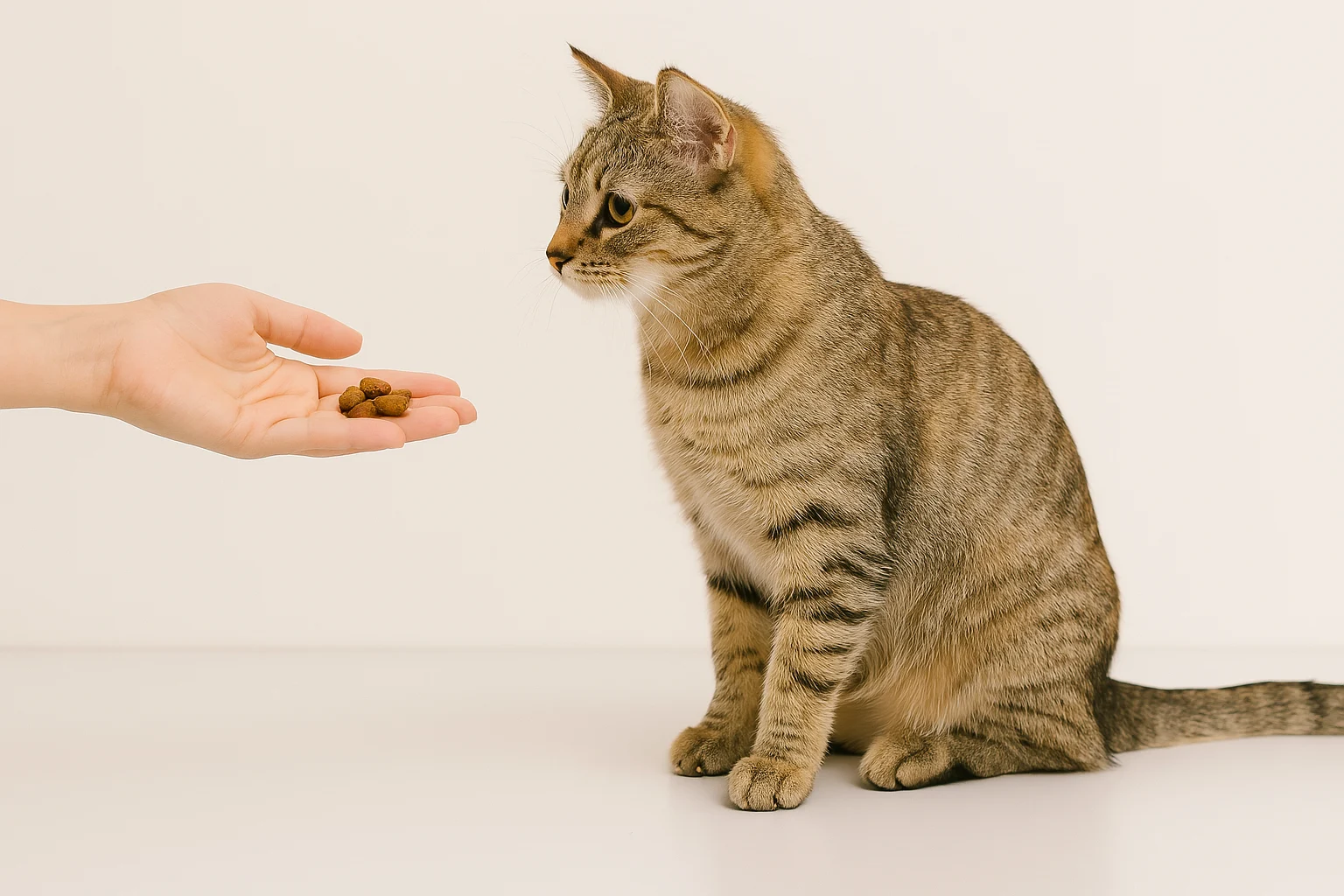
You’re not alone if you’ve got a cat who stares you down whenever you open the fridge or rattle a treat bag. Treats are a part of daily life for many cats, but not all treats are created equal. Some help your cat stay healthy. Others fill them up with junk.
Why cat treats matter
Cat treats are more than snacks. The right treat helps with training, bonding, dental care, or calming nerves.
Treats can be helpful or harmful depending on what’s inside. You might think a treat is just a reward, but it can do more than that. You can use treats to reward good behaviour, ease stress before a vet visit, clean teeth, or help your cat feel better when anxious or gassy. But it only works when the treat fits your cat’s needs and isn’t loaded with junk or useless fillers.
What to look for in a healthy cat treat
The best cat treats have real meat, no fillers, low calories, and clear benefits for your cat’s health.
Start by checking the label. The labels on Whiskas products are pretty detailed. The first ingredient should be something you’d recognise, like chicken or salmon. If it starts with corn, wheat, rice, or meat by-products, skip it. Cats don’t need carbs and don’t get much from fillers.
Protein is key. Cats are meat-eaters. They can’t live well on grains or plant stuff. Look for cat food that has at least 30% protein or more.
Taurine is another big one. Cats need it for their hearts and eyes, and many high-quality treats include it.
Avoid treats with lots of salt, sugar, food colouring, or mystery ingredients. If it reads like a chemistry experiment, it’s not a snack your cat needs.
Stick to treats that contain under two calories each unless the package says otherwise. Cats can lose weight fast if they snack too much. Less is more, especially with indoor cats who nap more than they run.
Best types of treats for cats and why they work
There are five main types of treats: freeze-dried, lickable, dental, calming, and hairball-control. Each has a different benefit depending on your cat’s needs.
Freeze-dried treats
These are often made with one ingredient, like freeze-dried chicken or turkey. They’re high in protein and have no added junk. They’re great for picky eaters, cats with allergies, or those on a raw diet.
Freeze-dried treats are crunchy, so they help with teeth cleaning, but not as much as dental treats. Break them into small pieces before feeding if your cat has trouble chewing.
Lickable treats
If your cat loves soft textures, these are gold. They usually come in pouches and work well for hand-feeding. They’re perfect for bonding or for getting your cat used to brushing, nail trimming, or taking pills.
Lickable treats are also good for older cats or cats with missing teeth. But watch the ingredients. Some are loaded with starch and thickeners.
Dental treats
Dental treats are made to scrub teeth as your cat chews. They’re shaped and textured to help remove plaque and slow down tartar buildup. You won’t get vet-level cleaning, but it’s better than nothing if your cat hates brushing.
Look for treats approved by vets or labelled for dental health. Avoid ones that crumble easily since they won’t do much for the teeth.
Hairball-control treats
If your cat coughs up hairballs often, these treats help move fur through their digestive system. They usually have extra fibre or oils that help keep things smooth inside.
Some cats love them, others won’t touch them. Try a small pack before buying a whole box. Also, don’t mix with a hairball-control diet unless your vet says it’s fine.
Calming treats
Cats get stressed easily, especially during travel, loud noises, or new changes at home. Calming treats contain L-theanine or tryptophan, which may help your cat relax.
These work best when given before a stressful event. Don’t expect instant results. Some cats change in 30 minutes, while others change in a few hours. If your cat’s anxiety is severe, talk to a vet first.
How to safely offer cat treats
Only give treats in small amounts, avoid unsafe ingredients, and check with a vet if your cat has health issues.
Treats should never exceed 10% of your cat’s daily food intake. That’s about 20 to 30 calories a day for an average cat. Going over that can lead to weight gain and health trouble.
Give treats one at a time. Don’t fill a bowl and walk away. This helps you track how many they get and spot problems early if they react badly.
Avoid sharing your food with them. Even if your cat begs, things like onions, garlic, chocolate, grapes, and some spices can be toxic to them. Better safe than sorry.
If you’re trying a new treat, start slow. Offer a small amount and wait a day. Watch for vomiting, diarrhoea, itching, or mood changes. If your cat acts strange, stop the treat and wait it out. If it keeps happening, talk to a vet.
If your cat has a health issue like kidney problems, diabetes, or food allergies, check with your vet before adding any new treats to its routine. Even healthy-sounding options can mess with its diet if they are not matched correctly.
Final thoughts
Treats are a great way to spoil your cat, but they still count as food. You wouldn’t snack all day and skip dinner; your cat shouldn’t either. Stick to high-protein, low-junk options that support their health, not just fill their belly.
Choose treats based on your cat’s age, activity level, and nee dds. A growing kitten will need something different than a senior cat with sore teeth. Pay attention to how your cat reacts and adjust as needed.